
PVC Wall Panels: Pros, Cons and Where They Work Best
If you want a clean, modern wall without the cost of tiles or the mess of plastering, PVC wall panels are worth a look. They are light, quick to fit and available in a wide range of looks.
What are PVC wall panels?
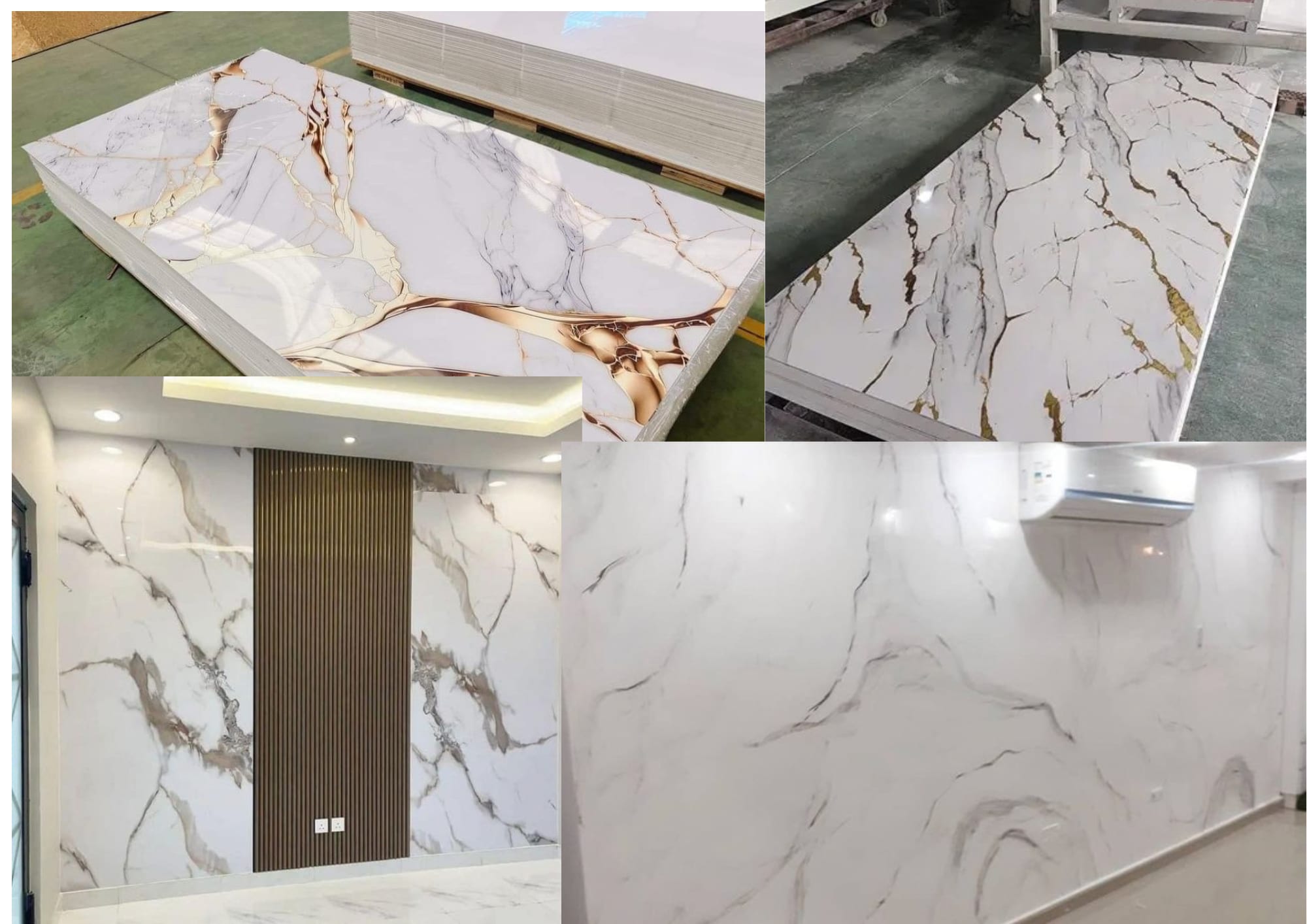
PVC wall panels are made from polyvinyl chloride and formed into flat or profiled boards that click or slot together. Many are printed or laminated with finishes such as wood grain, marble, plain colours and 3D textures.
Advantages
- Affordable: usually among the lowest-cost panel options.
- Water resistant: the material does not soak up moisture, which suits damp-prone areas.
- Easy to clean: a damp cloth removes most marks.
- Quick to install: light boards that can be cut with basic tools.
- Many designs: from calm plain colours to bold marble and wood effects.
Limitations to know
- PVC can feel less rigid and less premium than WPC or solid wood alternatives.
- Thin panels can dent or scratch in busy areas.
- Panels are not a substitute for fixing a damp wall. Treat moisture problems first.
- Keep them away from direct heat sources such as stoves and open flames.
Best places to use them
Bathrooms and toilets, kitchens (away from the cooker), laundry areas, shop interiors, stairwell walls, kids rooms and ceilings in low-traffic spaces. For feature walls where you want more depth and weight, consider WPC or fluted panels instead.
How to choose a good one
- Check the thickness and press the surface gently. It should not flex too easily.
- Look at the joints. Edges should lock together tightly.
- Ask about colour consistency between batches.
- Ask which trims and corner pieces are available.
- Request a sample and view it in your own room light.
Installation overview
Clean the wall, fix battens if the surface is uneven, start from one corner with a level line, interlock each panel, then finish edges with trims. Leave small gaps where the supplier recommends so the boards can expand slightly with temperature.
In Nigeria
PVC panels are popular in Nigeria for bathrooms, kitchens, shops, salons, schools and rented flats where landlords and tenants want a clean finish at a sensible price. They are also widely used on ceilings. Make sure you treat any damp or leak first, because trapped moisture behind a panel can lead to mould.
Related guides
- Wall Panels vs Paint vs POP: What Works Best in Nigerian Homes
- 9ft by 4ft PVC Marble Sheet (3mm): Size, Uses and Installation Guide
- WPC Wall Panels: A Practical Buyer Guide
Have questions? Contact Nasuru Interiors for a free quote, or browse all our guides.
Related Articles
9ft by 4ft PVC Marble Sheet (3mm): Size, Uses and Installation Guide
A full-size 9ft by 4ft PVC marble sheet covers a wall with very few joints. Learn the real size and thickness to expect, where to use it, what to avoid and how to install it.
Read article→Wall Panels vs Paint vs POP: What Works Best in Nigerian Homes
Paint peels, POP cracks and plaster needs constant touch-ups. See how wall panels compare for Nigerian homes, offices, hotels and event halls.
Read article→WPC Wall Panels: A Practical Buyer Guide
Thinking about WPC wall panels? Learn what they are made of, where they work best, how they compare with wood and PVC, and what to check before you buy.
Read article→